Why Do Pottery Batts Warp? (And How to Prevent It)
Few things are more frustrating than discovering your pottery batt has warped. It’s difficult to centre clay on a warped batt, it can distort the shape of your pot, create problems during drying, and lead to unnecessary waste. It can also be an expensive problem. Nobody wants to spend money on pottery equipment only to find it starts bending after a handful of uses and needs replacing.
In this article, we’ll explore why batt warping happens, how to prevent it, and what you can do to extend the life of your pottery batts.
What Is a Pottery Batt?
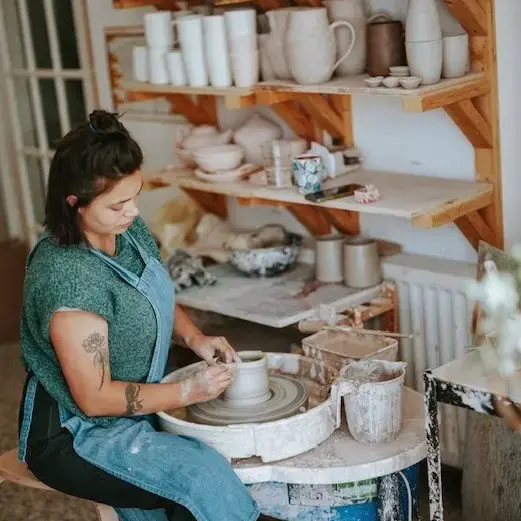
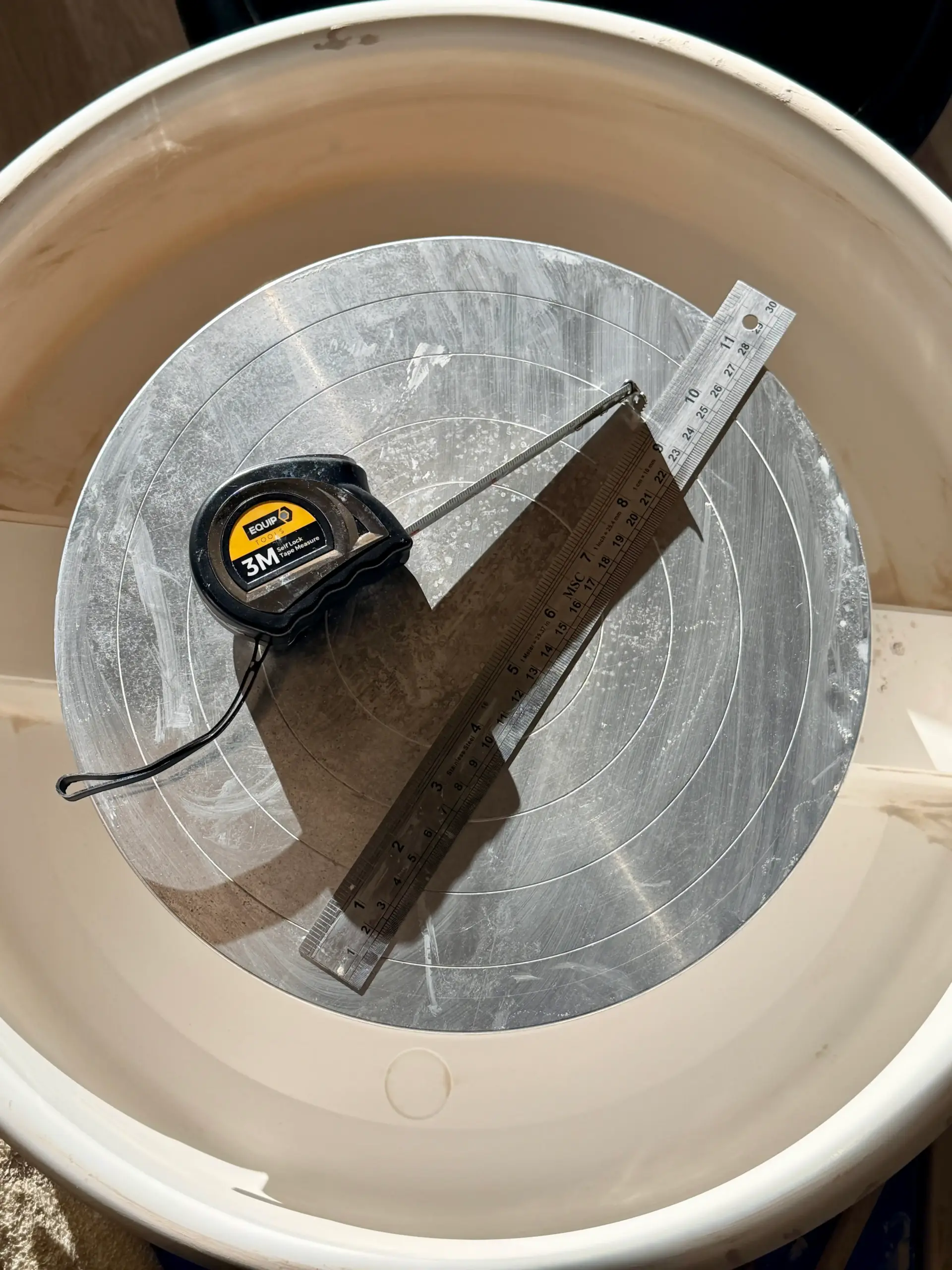
A pottery batt is a flat base that sits on top of your wheel head. Instead of throwing directly onto the wheel, you throw onto the batt. Traditional round batts, square batts, and space-saving batt systems all serve the same purpose. They provide a surface for throwing that can be removed from the wheel without disturbing your pottery.
The biggest advantage is that you can lift the entire batt away, pot and all, without squashing or distorting your freshly thrown pot. Batts are commonly made from wood, MDF, plastic, or plaster. They can make it much easier to move pottery to a drying shelf or return it to the wheel later for trimming.
What is warping and why is it a problem?
A warped pottery batt is simply a batt that has lost its flat shape. It may bow, bend, curve, or twist across its surface.
When you’ve worked hard to throw a lovely pot, this isn’t just an inconvenience. It can result in a damaged pot, wasted clay, and additional reclaim. For beginner potters, this can be particularly frustrating because it may ruin a pot that took several attempts to throw successfully.
The good news is that with a little knowledge and the right batt choice, you can avoid your batts warping all together.
Why Do Pottery Batts Warp?
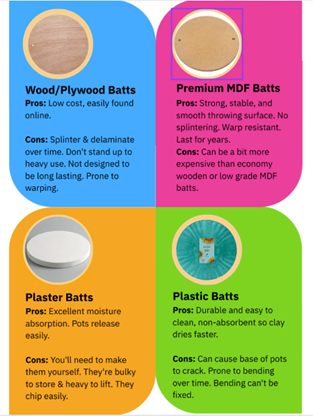
Batts can warp because of prolonged exposure to water. Plastic batts can bend, cheap wooden batts can warp, and plaster batts are fragile and chip easily. Even a small amount of warping can affect the shape of your pots and make throwing more difficult.
Here are the main causes:
Uneven Moisture Absorption
When you leave pottery to dry on a batt, the wet clay draws moisture unevenly across the surface. One side expands, the other contracts, and if the batt is made from poor-quality material it can start to bend. It doesn’t take much – a single uneven drying session can be enough to trigger warping.
Water Immersion
Some potters soak their batts in buckets of water, either for cleaning or in the mistaken belief that it helps with throwing. This can be a recipe for disaster. Marine ply, cheap MDF, and similar materials don’t react kindly to immersion. They swell, crack, and eventually warp. Even if they flatten again temporarily, the structure can be weakened.
Low-Quality Batt Materials
Plastic batts are durable and waterproof, so they might seem like a good alternative to MDF. However, their downside is flexibility. Over time, the weight of clay, repeated throwing pressure, temperature changes, or poor storage can cause them to bend. Unlike wood or MDF, once a plastic batt warps, it cannot be flattened back into shape.
Not all batts are created equal. Economy batts often use low-grade ply or thin MDF that simply isn’t stable enough for repeated studio use. If you’re throwing regularly, especially in a busy studio environment, cheap batts can become a false economy when you find yourself replacing them every few months.
How to Prevent Batts from Warping
1. Choose a Batt Material That Suits Your Needs
Choose a batt material that suits the type of pottery you make and can withstand regular studio use. Here’s a quick summary of the pros and cons of different types of pottery batt:
2. Remove Clay Promptly
If you’re using economy batts, avoid leaving clay to dry on them for long periods. Wire the pot off instead and transfer it to a ware board or drying shelf. This limits prolonged water exposure and reduces the risk of uneven moisture absorption.
3. Dry and Store Batts Properly After Use
After cleaning, dry batts upright in a dish rack or leaning against a wall with plenty of airflow. Once dry, they can be stacked flat. Do not stack them whilst they are wet, as this can encourage warping.

4. Don’t Soak – Wipe Clean Instead
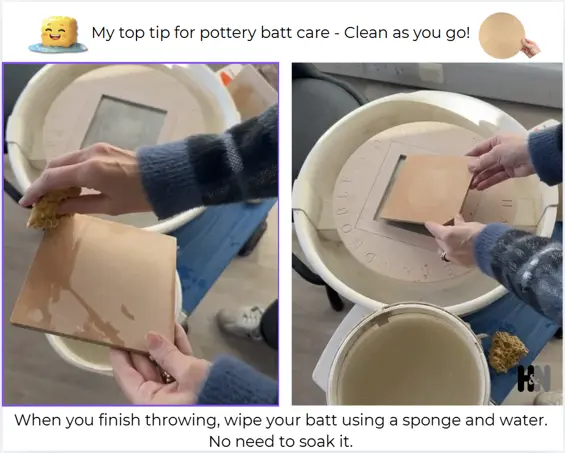
It’s tempting to dunk everything in a water bucket at the end of the day, but resist the urge to do this with your batts. A quick wipe with a damp sponge will do the job without compromising the material. Your batts will last much longer. When I clean my batt system, I simply wipe the tiles as I remove my pots. It prevents dry clay building up around the edges and means I can put them straight back into the batt system ready for the next throwing session.
5. Invest in Quality Materials
If you’re throwing plates, wider-based items, or regularly leave pottery to dry on the batt, you’ll need a batt that can cope with repeated moisture exposure.
Hartley & Noble’s Premium MDF Throwing Batts and Pottery Batt Systems are designed to last for years without warping. They leave a smooth finish on the base of your pots and are highly resistant to warping.
If you’re working to a tighter budget, Hartley & Noble Economy MDF Batts are a good entry-level option. Because they are made from a lower-grade material, they require a little more care. Wire your pottery off promptly, avoid leaving wet pots on them for extended periods, dry them upright after use, and avoid stacking them while wet.
6. Store Batts Flat Once Dry
When not in use, stack dry batts flat. Avoid leaning them against sources of heat such as kilns or radiators. Prolonged heat exposure can encourage warping.
What to Do if a Batt Warps
Even with good care, a batt can sometimes warp. Before throwing it away, you could try the following:
• Hot Water Soak + Weigh Down
Soak the batt in hot water, then lay it flat on a solid surface. Place a heavy weight on top and leave it to dry slowly overnight.
Conclusion
Warped batts are a frustrating problem. They can make throwing more difficult, distort your pottery, waste clay, and lead to unnecessary expense. The good news is that warping is usually preventable.
By avoiding prolonged water immersion, drying your batts properly, and investing in quality materials, you can keep them flat and reliable for years.
If you’re working with economy batts, a little extra care can significantly extend their lifespan. If you want the greatest resistance to warping, investing in premium MDF batts is often the best long-term solution.
Your batts should be one of your most reliable pottery tools. With the right care and storage, a good batt can last for years.
Let’s Chat 💬
Have you ever battled with a warped pottery batt? What fixes worked (or didn’t) for you? Share your experience – your tips might help another potter in our community.